

AI-ISVP 2026 Conference Review
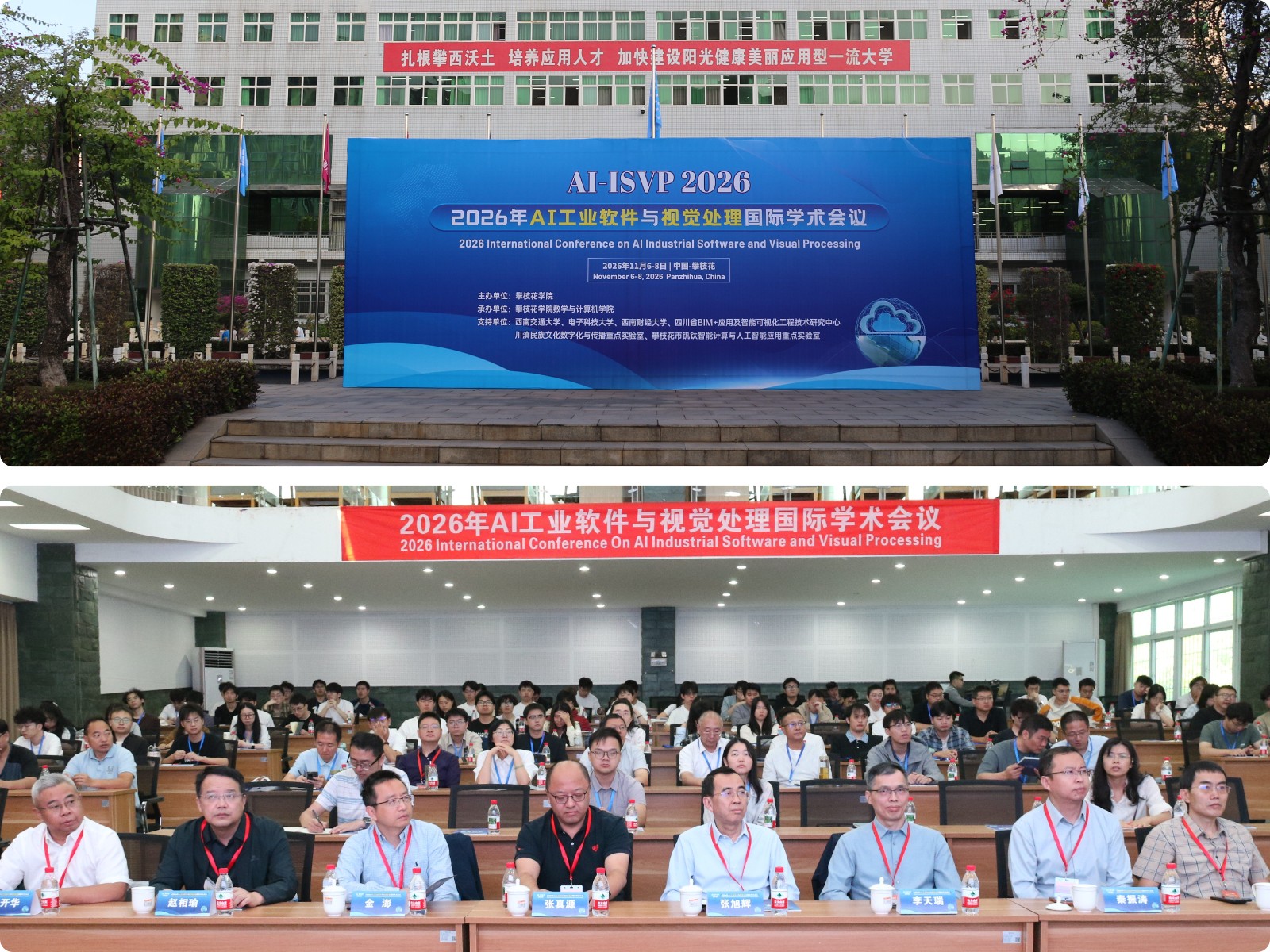
Held from November 6 to 8, 2026, the 2026 International Conference on AI Industrial Software and Visual Processing (AI‑ISVP 2026) convened at Panzhihua University in Sichuan Province. Hosted by Panzhihua University and undertaken by the School of Mathematics and Computer (Big Data School) of Panzhihua University, the conference received support from Southwest Jiaotong University, University of Electronic Science and Technology of China, Southwestern University of Finance and Economics, Sichuan Engineering Technology Research Center for BIM+ Application and Intelligent Visualization, Sichuan‑Yunnan Key Laboratory for Digitalization and Communication of Ethnic Cultures, and Panzhihua Key Laboratory of Vanadium‑Titanium Intelligent Computing and Artificial Intelligence Applications. Professor Jing Zhang, Dean of the School of Mathematics and Computer (Big Data School), presided over the conference.
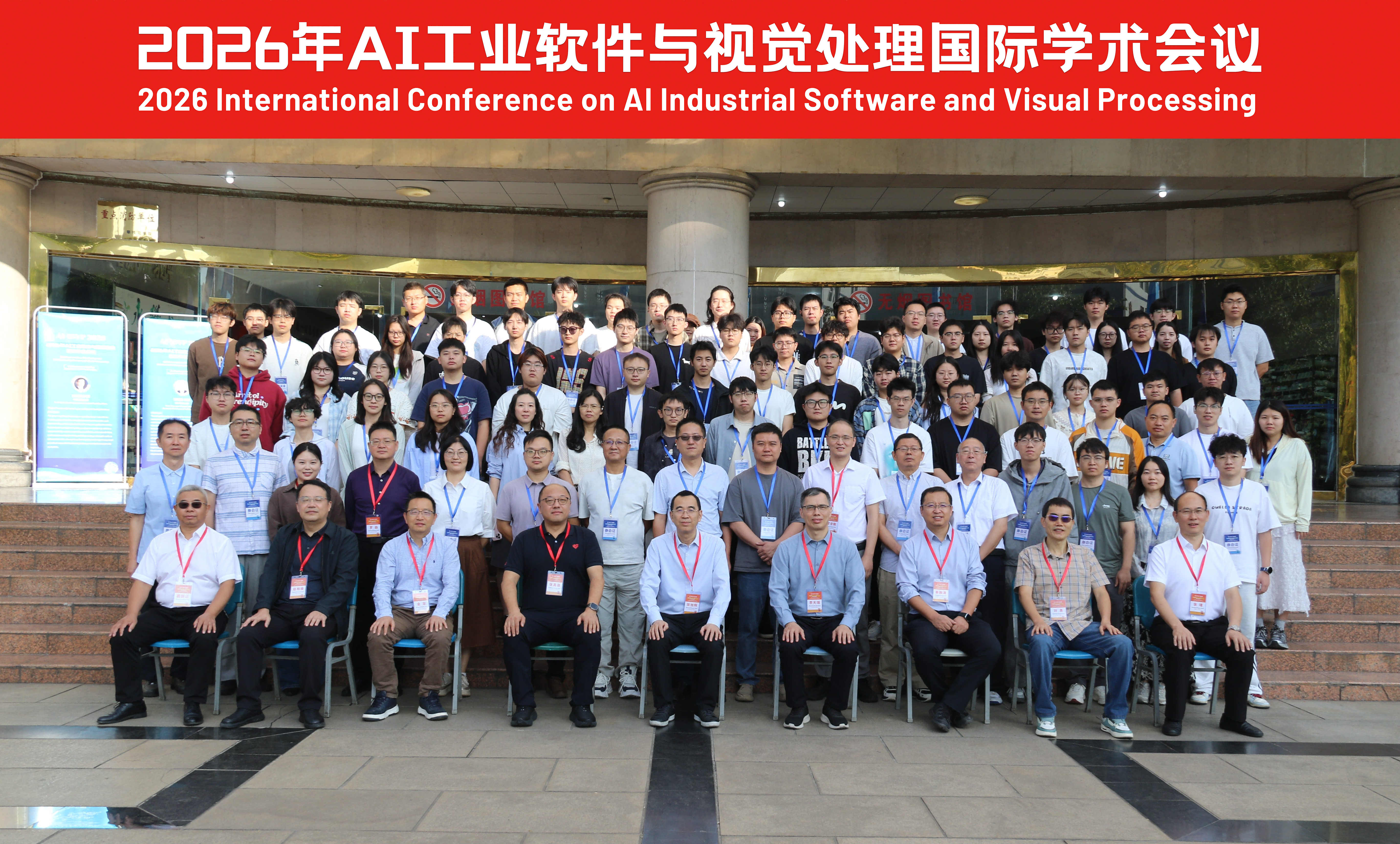
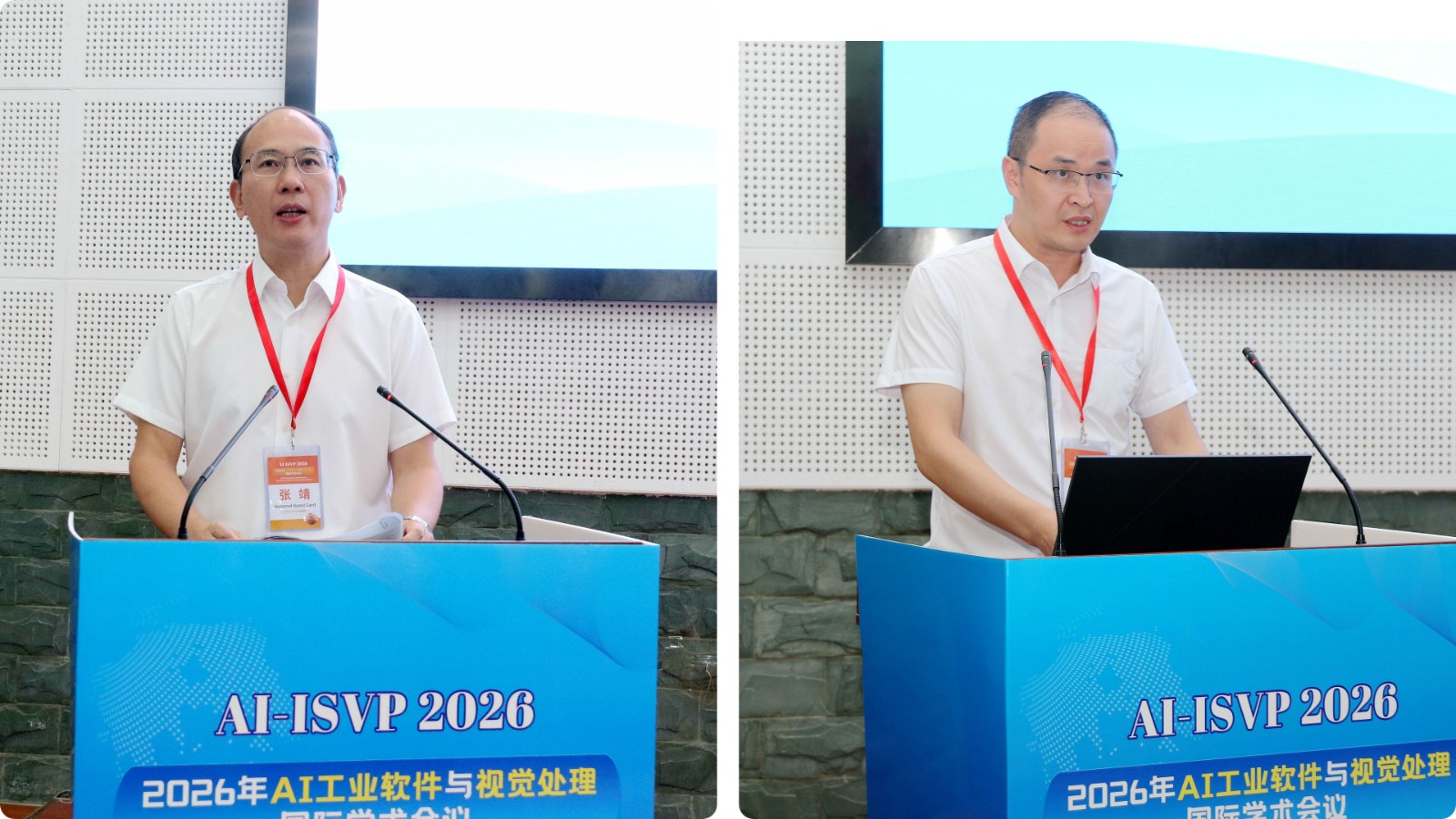
Prof. Xuhui Zhang, Vice Dean of Panzhihua University, remarked that this conference, focusing on interdisciplinary innovation of industrial AI software and visual processing, constitutes an important academic event in this field. As industrial‑intelligence technologies keep empowering the transformation and upgrading of manufacturing sectors, academic and industrial communities are expected to strengthen exchanges and connections in response to practical challenges in industrial deployment. Joint industry‑university‑research efforts will be promoted to facilitate higher‑quality industrial empowerment of relevant technologies.

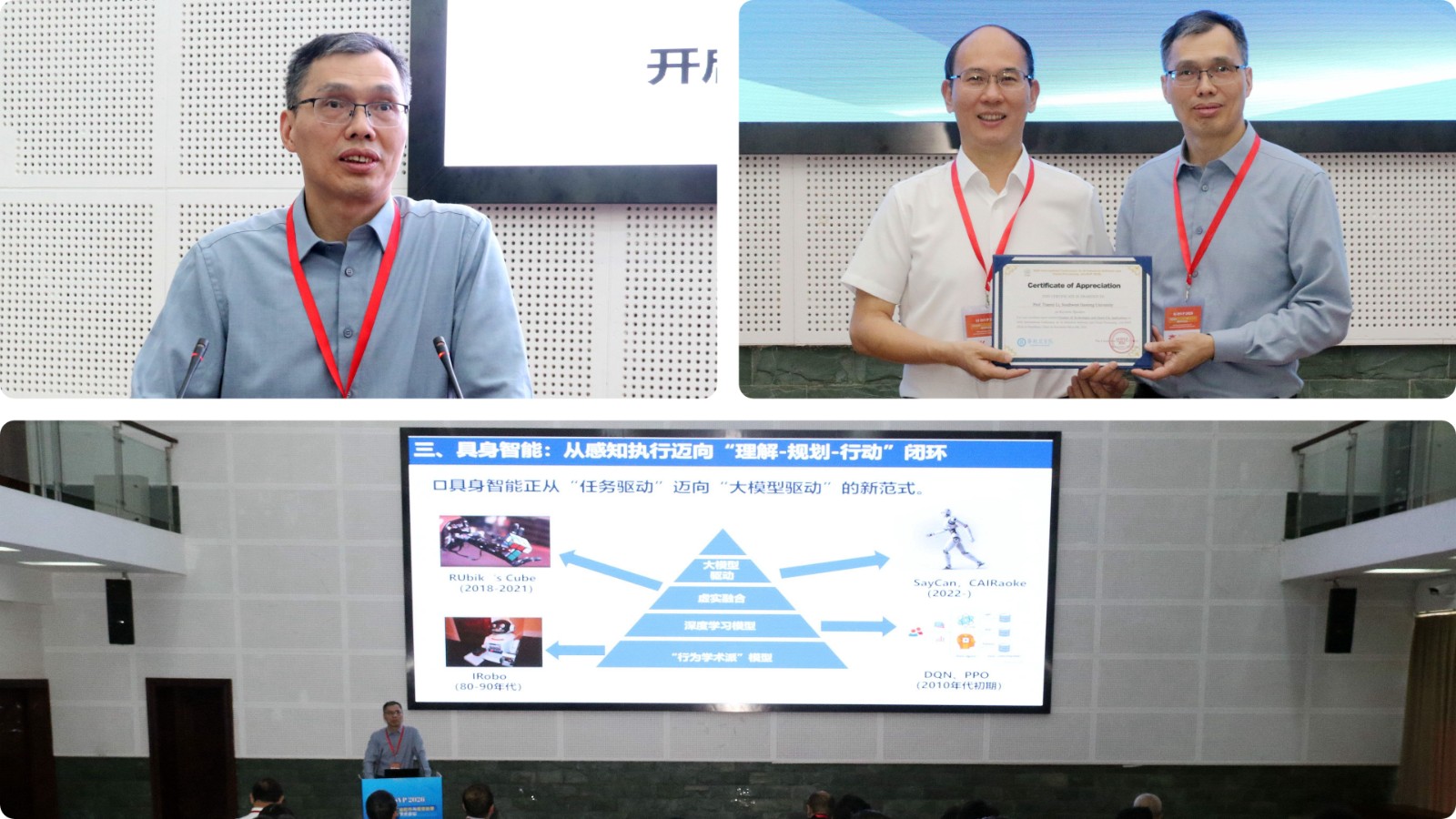
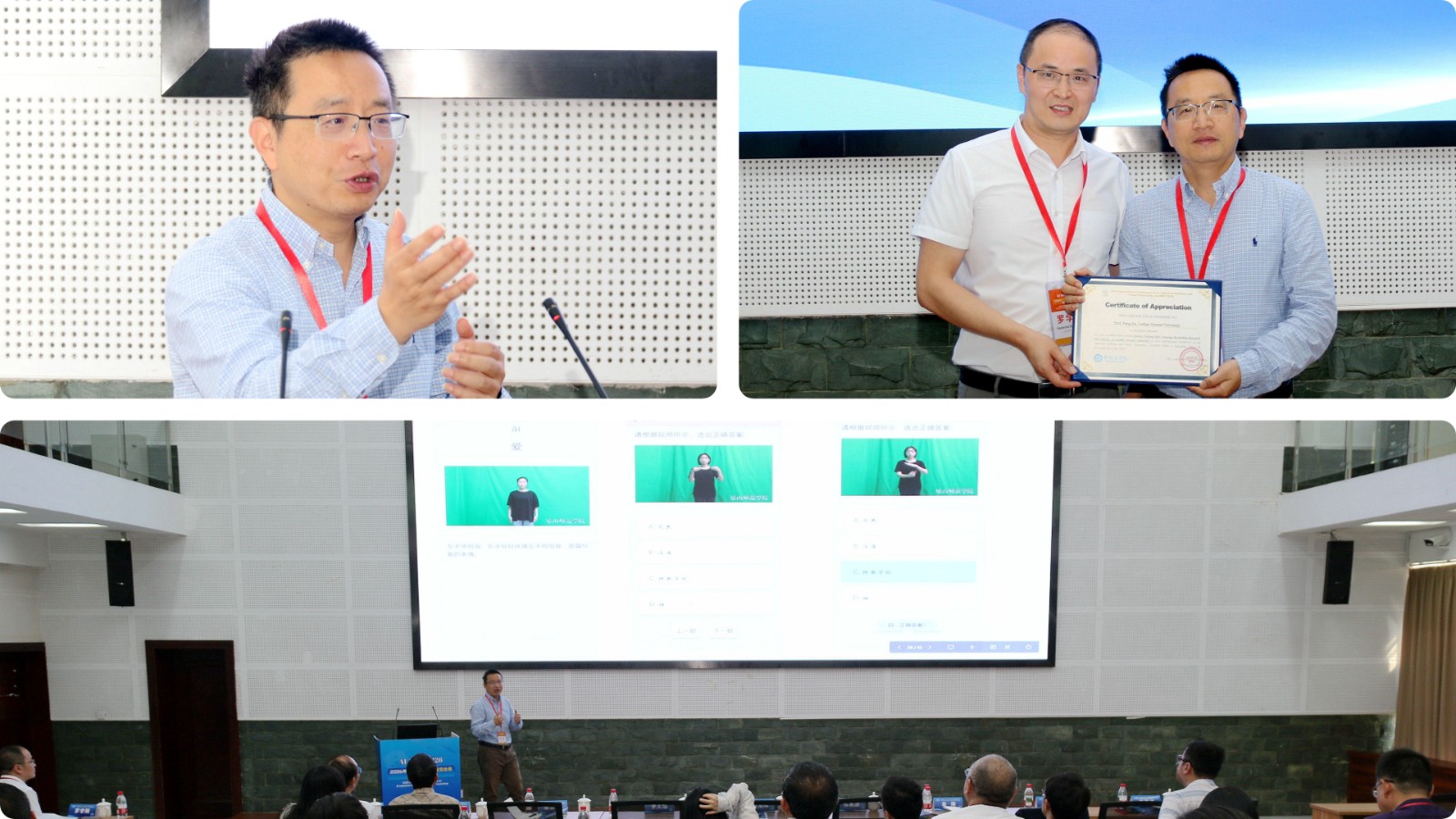
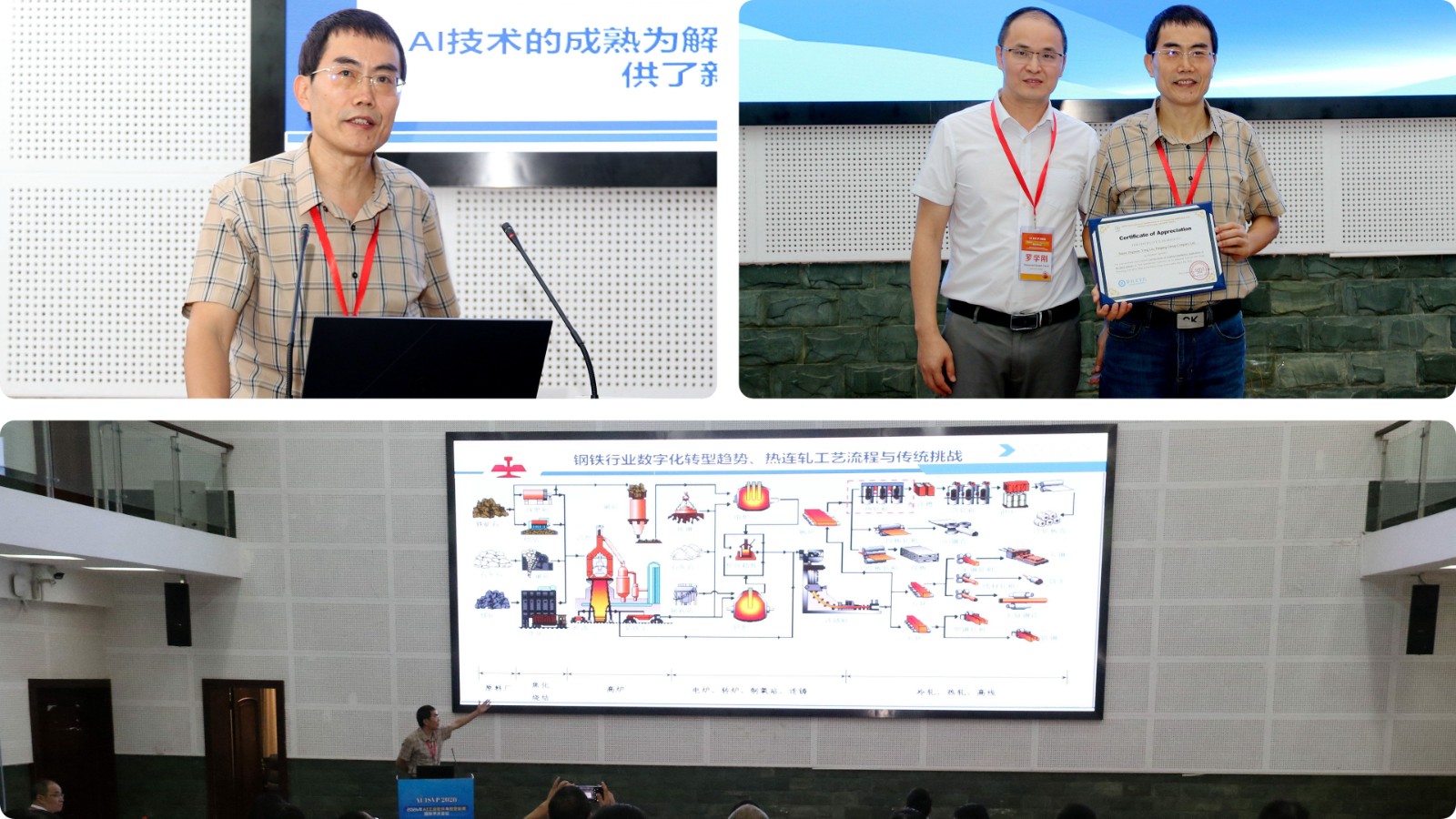
In the keynote session, Professor Tianrui Li, Dean of the School of Computing and Artificial Intelligence and Director of Sichuan Key Laboratory of Cloud Computing and Intelligent Technique at Southwest Jiaotong University, delivered a speech entitledFrontier AI Technologies and Smart City Applications. He sorted out four technological leaps including foundation models, generative artificial intelligence, embodied intelligence and world models, and analyzed practical pathways for AI‑empowered smart cities with real‑world cases such as air‑quality forecasting, smart mobility and road‑surface inspection. Professor Peng Jin, Executive Deputy Director of the Special‑Education Language‑Intelligence Laboratory at Leshan Normal University, presented Chinese National Sign Language Recognition Research: The Practice of Leshan Normal University. He introduced the construction of a bilingual aligned corpus for Chinese national sign language and elaborated on accuracy improvement of sign‑language recognition enabled by multimodal algorithms. Professor‑level Senior Engineer Yong Liu, Level‑II Expert of Pangang Group, gave the talk Current Status of Artificial Intelligence Applications in the Steel Industry. Centering on hot‑continuous‑rolling production lines, he illustrated multiple real‑world AI industrial application scenarios including reheating‑furnace combustion optimization, intelligent strip‑shape control and vision‑based surface‑defect inspection. Professor Zhenyuan Zhang, Vice Dean of the School of Mechanical and Electrical Engineering at University of Electronic Science and Technology of China, presented Operational State Perception and Risk Prevention and Control for Power Systems with High Shares of New Energy, Empowered by Artificial Intelligence. Targeting uncertainties brought by high‑penetration renewable‑energy integration into power grids, he proposed a coordinated transmission‑distribution state‑sensing and risk‑prevention‑and‑control framework to advance power‑grid governance from reactive response to proactive defense.
 |  |
 |  |
Oral presentations followed, in which young researchers from Panzhihua University shared their latest findings covering remote‑sensing building extraction, UAV‑image semantic segmentation, fall‑posture detection, landslide mapping from remote‑sensing imagery, few‑shot EEG‑based emotion recognition, digital‑twin‑enabled industrial teaching, road‑damage detection, and medical‑image segmentation. These presentations spanned cutting‑edge interdisciplinary areas such as industrial AI software, machine vision, remote‑sensing image processing and intelligent perception.
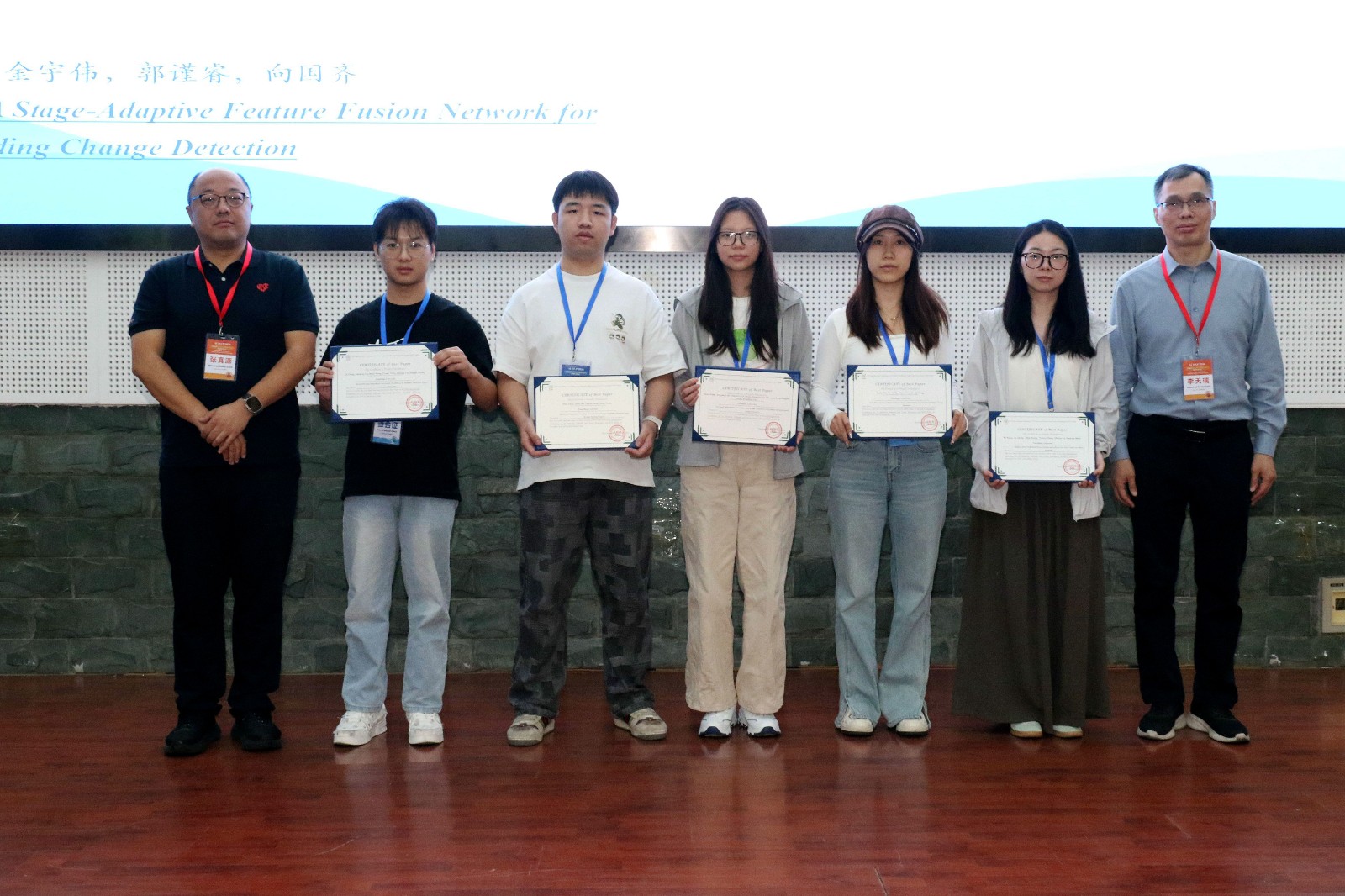 | 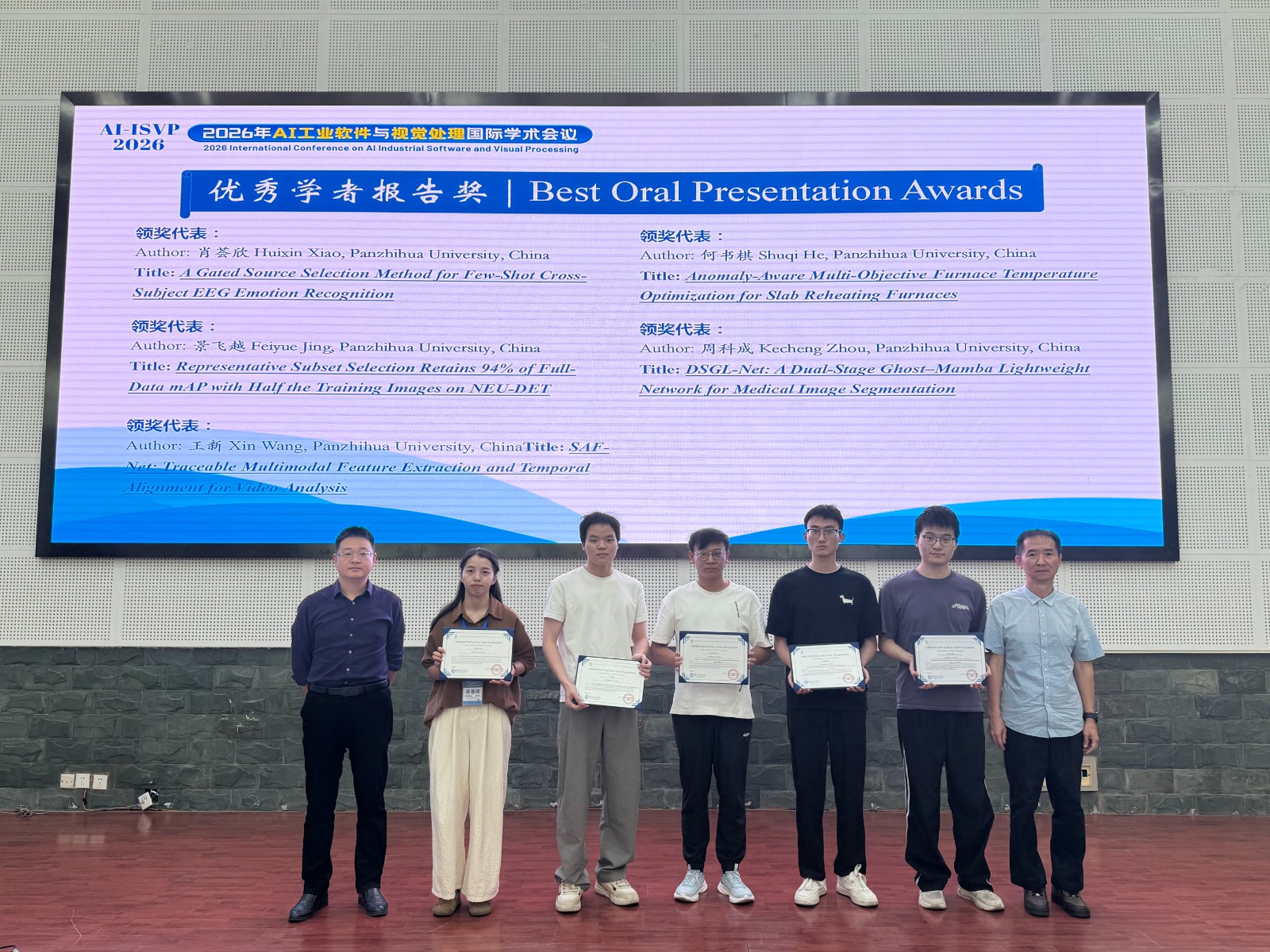 |
Upon completion of all report sessions, the award‑giving and closing ceremony was held. Following rigorous evaluation by the Technical Program Committee, two categories of honors — Best Paper Award and Best Oral Presentation Award — were conferred to recognize high‑quality academic outputs and contributing authors. The conference showcased state‑of‑the‑art advances in industrial AI software and visual‑processing research and built a valuable platform for in‑depth industry‑university‑research integration.
 |  |